How to Lower Your Credit Card Interest Rate and Save Money
Credit cards make everyday purchases convenient, but high interest rates can turn a manageable balance into a financial burden. If you regularly carry credit card debt, you may notice that a significant portion of your monthly payment goes toward interest instead of reducing what you owe.
The good news is that your current interest rate doesn't necessarily have to stay the same forever. There are several practical ways to lower your credit card interest rate, reduce unnecessary charges, and take control of your finances.
Whether you're struggling with an expensive balance or simply want to make smarter financial decisions, understanding your options can help you save money.
This guide explains how credit card interest works, how to negotiate a lower rate, and what steps you can take to become debt-free sooner.
1. Understand How Credit Card Interest Rates Work
Before attempting to lower your credit card interest rate, it's important to understand how interest is calculated.
Credit card companies typically express interest rates as an Annual Percentage Rate (APR). This percentage represents the annual cost of borrowing money, excluding certain additional fees.
For example, imagine you have a credit card with:
Outstanding balance: $5,000
Annual interest rate: 25%
Monthly payment: $200
At a 25% APR, the approximate interest on an unchanged $5,000 balance would be $104 over a typical month.
If you could reduce that rate to 18%, the approximate monthly interest would fall to $75.
That's nearly $29 in monthly savings, or approximately $350 annually if the balance stayed unchanged.
Actual interest charges depend on daily balances, billing periods, payments, and your card agreement.
Even a relatively small reduction in your interest rate can make a noticeable difference over time.
2. Contact Your Credit Card Company and Request a Lower APR
One of the simplest ways to lower your credit card interest rate is to contact your card issuer directly.
Many cardholders never consider negotiating their interest rate because they assume the bank's decision is final.
However, some credit card companies are willing to review interest rates, especially for customers who have demonstrated responsible financial behavior.
Before calling, review your payment history and account details.
When speaking with a representative, explain that you appreciate being a customer but would like to explore opportunities for a lower interest rate.
You might say:
"I've been using this credit card responsibly and would like to continue being a customer. However, my current interest rate is making it difficult to reduce my balance. Could you review my account and let me know whether I qualify for a lower APR?"
Remain polite and professional throughout the conversation.
If the representative cannot help, ask whether another department can review your account.
Approval isn't guaranteed, but making the request generally costs nothing.
3. Use Your Payment History to Strengthen Your Request
Your credit card payment history may influence how a lender evaluates your request for better terms.
Banks generally prefer customers who manage their financial obligations responsibly.
If you've consistently paid your bills on time, mention that during your conversation.
Other helpful factors may include:
Maintaining an account for several years.
Making payments above the required minimum.
Keeping your credit card balance manageable.
Improving your credit score.
Maintaining stable income.
For example, someone who has held the same credit card for four years without missing a payment may have a stronger case for requesting a lower rate.
Before contacting your bank, review recent statements and prepare a few reasons why you deserve consideration.
A clear and respectful request supported by your account history may improve your chances.
4. Consider a Balance Transfer Credit Card
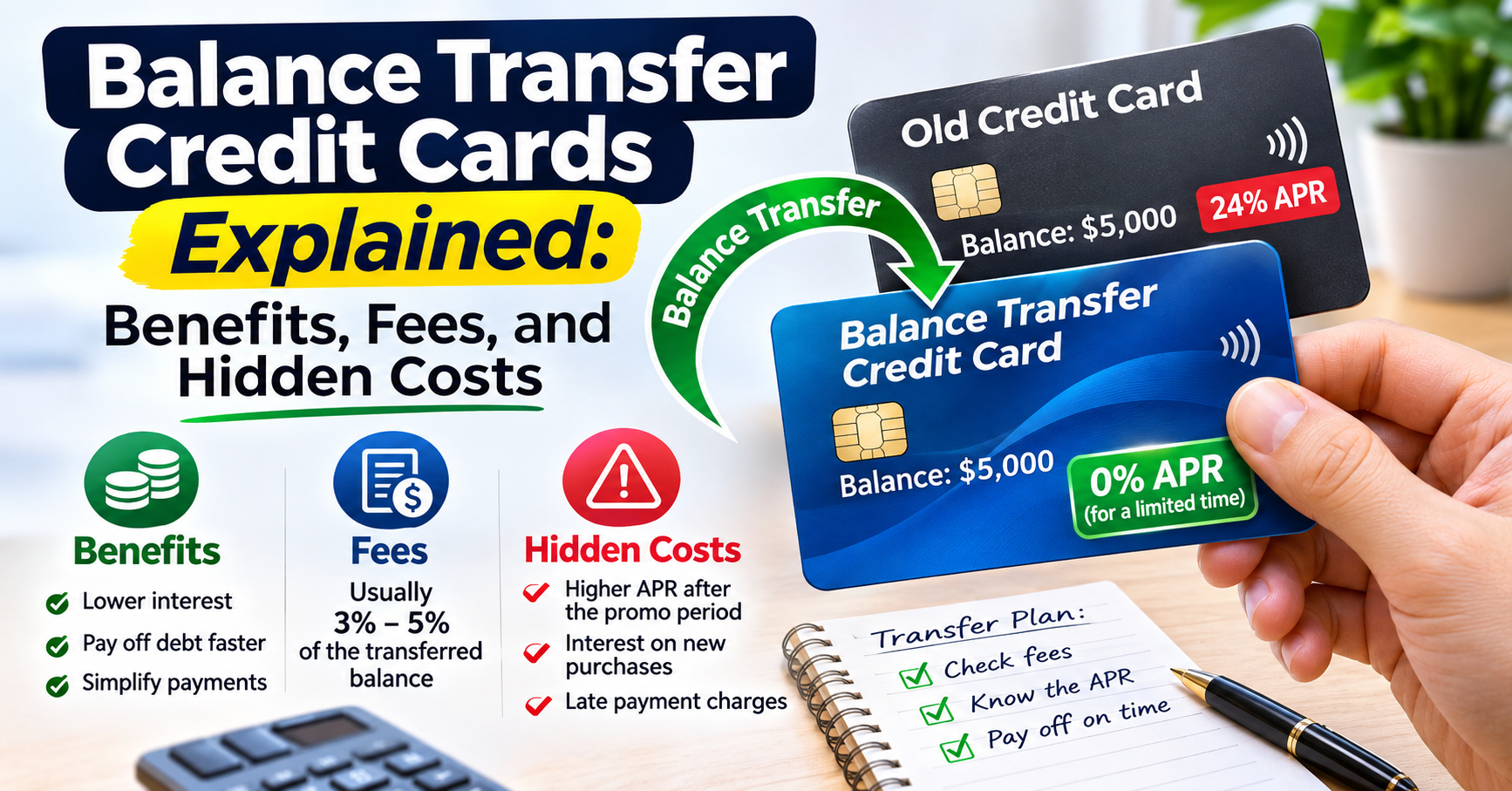
A balance transfer credit card can be an effective option for reducing interest charges.
Some credit card companies offer promotional periods with a 0% introductory APR on eligible balance transfers.
This means you may temporarily avoid interest on transferred balances while paying down existing debt.
Imagine you owe $4,000 on a credit card charging 26% APR.
You qualify for a different card offering a 0% introductory balance transfer APR for 15 months, with a 3% transfer fee.
Your transfer fee would be $120, bringing the amount to repay to $4,120.
To eliminate that amount within 15 months, you would need to pay approximately $275 per month.
This strategy could save considerable interest compared with carrying the balance on your original card.
However, there are important considerations.
Balance transfer offers may charge fees, require good credit, and impose a higher interest rate after the promotional period ends.
New purchases may also accumulate interest under different terms.
Always compare the total cost before applying, and create a repayment plan that fits within the promotional period.
5. Ask About Credit Card Hardship Programs
Financial difficulties can affect anyone.
Unexpected medical expenses, job loss, reduced working hours, or emergency repairs may make credit card payments difficult.
If you're experiencing financial hardship, contact your credit card company before missing a payment.
Some lenders offer hardship assistance programs designed to help qualifying customers manage temporary financial challenges.
Depending on the issuer and your situation, assistance might include:
Temporarily reduced interest rates.
Lower monthly payments.
Waived or reduced fees.
Modified payment arrangements.
Structured repayment plans.
These programs are not automatically available to everyone.
The lender may review your financial circumstances and determine whether you qualify.
Before accepting an offer, ask whether it affects your available credit, account status, or credit reporting.
Getting the terms in writing can help you understand your obligations.
6. Improve Your Credit Score for Better Financial Opportunities
Your credit score plays an important role in many lending decisions.
A stronger credit profile may help you qualify for better credit card offers or refinancing opportunities in the future.
Although improving your score won't automatically lower the APR on an existing account, it can strengthen your overall financial position.
Start with a few consistent habits.
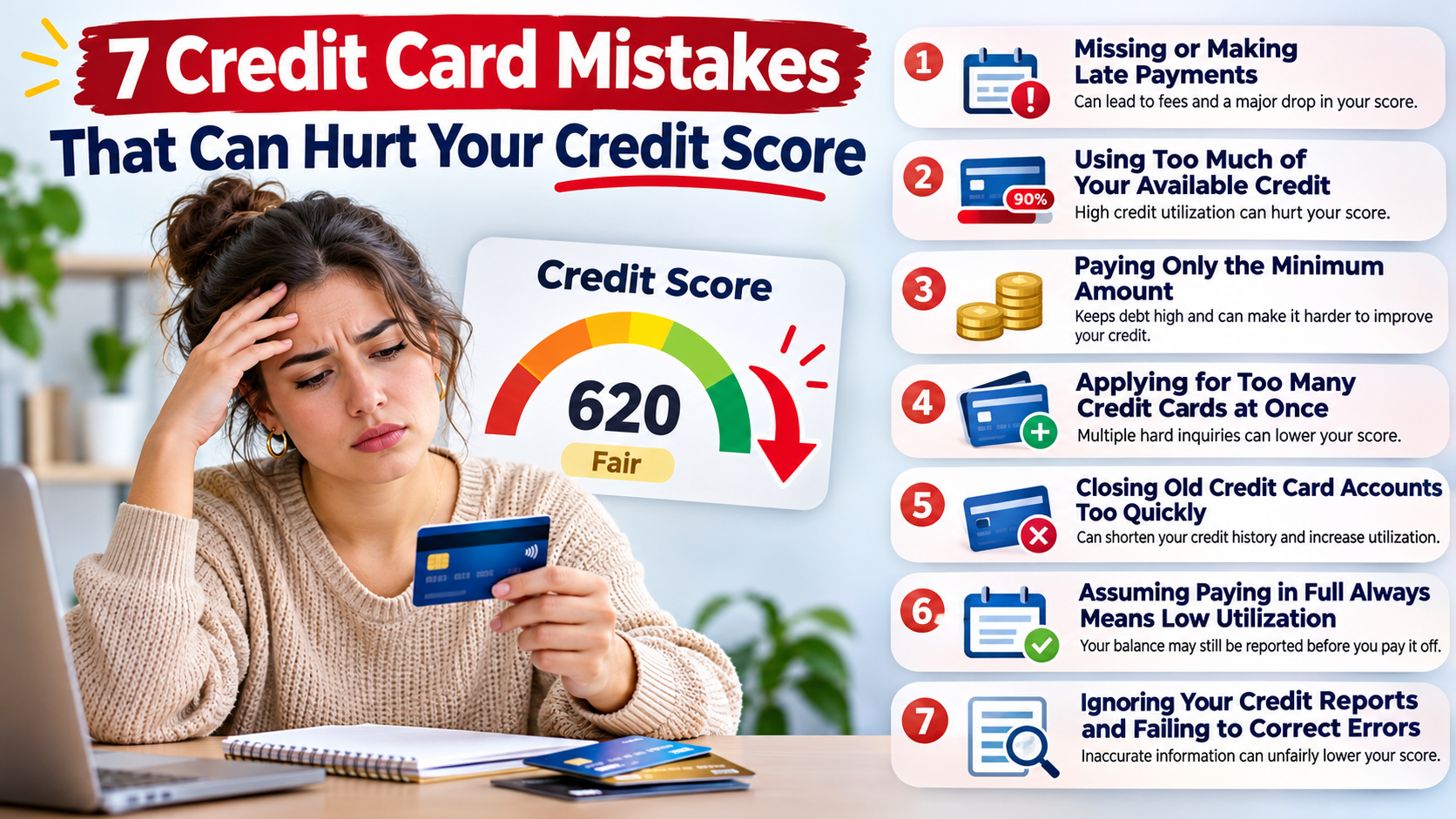
Pay every bill on time. Payment history is a major factor in credit scoring. Setting up automatic minimum payments can help prevent accidental late payments.
Reduce credit utilization. Credit utilization measures how much of your available revolving credit you're using. Lower balances relative to your limits are generally beneficial.
Review your credit reports. Check for inaccurate information and dispute legitimate errors through the appropriate credit bureau.
Avoid unnecessary applications. Applying for several new credit accounts within a short period can temporarily affect your credit.
Improving credit takes time, but consistent financial habits can create more borrowing options.
7. Pay More Than the Minimum Monthly Payment
Making only the required minimum payment may keep your account current, but it can also extend the time needed to eliminate debt.
When interest rates are high, a substantial portion of each payment can go toward financing charges.
Suppose your minimum payment is $90.
If your budget allows you to pay $150 or $200 instead, more of your payment can reduce your outstanding balance.
As that balance decreases, future interest charges generally decrease too.
You don't necessarily need to double your monthly payment immediately.
Even an additional $20 or $30 can help when applied consistently.
The key is choosing an amount you can realistically afford without sacrificing essential living expenses or emergency savings.
Whenever possible, avoid adding new purchases to the card while paying down an existing balance.
8. Make Payments Earlier to Reduce Interest Charges
Many credit card issuers calculate interest using daily balances.
This means payment timing can affect how much interest you pay.
For example, if you receive your salary on the 5th but your credit card payment isn't due until the 20th, making an extra payment earlier may reduce the balance on which interest accumulates.
Instead of waiting until the due date, consider making a payment after receiving your paycheck.
You can also split a planned monthly payment into smaller payments throughout the month.
This approach can be particularly useful for people who receive income weekly or twice monthly.
However, ensure you still meet the required minimum payment by its due date.
Paying earlier doesn't directly lower your APR, but it can reduce the amount of interest charged on a revolving balance.
9. Compare Personal Loans for Credit Card Debt Consolidation
Another option is replacing expensive credit card debt with a personal loan that offers a lower interest rate.
For example, suppose you have several credit cards charging interest rates between 24% and 29%.
If you qualify for a personal loan at a significantly lower fixed APR, consolidating those balances might reduce your borrowing costs.
Personal loans often provide fixed monthly payments and predictable repayment periods.
That structure can make budgeting easier.
However, compare more than the advertised interest rate.
Consider origination fees, loan duration, monthly payment requirements, and the total amount you'll repay.
A lower monthly payment isn't always the cheapest option if the new loan extends repayment for several additional years.
Also, avoid running up new credit card debt after consolidating existing balances.
Otherwise, you could end up managing both the personal loan and new credit card balances.
10. Avoid Cash Advances and Unnecessary Fees
Cash advances are among the more expensive ways to use a credit card.
Unlike ordinary purchases, cash advances commonly begin accumulating interest immediately.
They may also carry a separate, higher APR and additional transaction fees.
For this reason, using your credit card to withdraw cash should generally be avoided unless you've carefully considered the cost and alternatives.
Other expenses worth monitoring include late payment fees, annual fees, and balance transfer fees.
Review your credit card statement regularly to identify unexpected charges.
If you notice a fee you don't understand, contact your issuer and request an explanation.
Reducing unnecessary fees won't change your purchase APR, but it can help lower your overall credit card expenses.
11. Use Your Credit Card Grace Period Wisely
A credit card grace period is the time between the end of a billing cycle and the payment due date.
Many credit cards allow you to avoid interest on eligible purchases when you pay your full statement balance by the due date.
This is one of the most effective ways to use a credit card without paying purchase interest.
However, carrying a balance can cause you to lose that benefit.
When your grace period is no longer active, new purchases may begin accumulating interest from their transaction dates.
If you're already paying down credit card debt, consider limiting new purchases until your balance is eliminated and your grace period is restored under your issuer's terms.
This can help prevent additional interest from slowing your repayment progress.
12. Create a Realistic Credit Card Repayment Strategy
Lowering your APR is helpful, but a repayment strategy is equally important.
Begin by listing all your credit cards, outstanding balances, minimum payments, and interest rates.
Then decide how much money you can afford to dedicate to repayment each month.
Two popular approaches are:
Debt avalanche method: Pay the minimum on every account and direct extra money toward the card with the highest APR. This strategy generally minimizes interest costs.
Debt snowball method: Pay the minimum on every account while directing extra money toward the smallest balance. Once that balance is eliminated, move to the next. This approach can provide motivation through early progress.
The avalanche method usually saves more money mathematically, while the snowball method may feel easier to maintain for some borrowers.
Choose the strategy that helps you remain consistent.
Common Mistakes to Avoid When Trying to Lower Credit Card Interest
Some financial decisions can make credit card debt more expensive even when you're trying to save money.
Avoid applying for balance transfer cards without reviewing their fees and promotional terms.
Don't assume that a lower minimum payment means a lower total repayment cost.
Be cautious about closing credit card accounts immediately after paying them off, as doing so may affect your credit utilization and credit profile.
Most importantly, avoid companies that promise guaranteed interest rate reductions in exchange for large upfront payments.
You can contact your credit card issuer yourself without paying a third party to request a lower rate.
Frequently Asked Questions
Can I lower my credit card interest rate without changing banks?
Yes. You can contact your existing credit card company and request an APR review. Some issuers may offer a lower rate based on your account history, credit profile, or financial circumstances.
Does requesting a lower interest rate hurt my credit score?
Simply asking your issuer for a lower APR generally doesn't affect your credit score. However, if the issuer requires a new credit application or hard credit inquiry, your score could be affected. Ask before proceeding.
Is a 0% balance transfer always a good idea?
Not necessarily. A 0% introductory offer can be useful when its transfer fees and repayment terms make financial sense. If you cannot repay the balance before the promotional period expires, remaining debt may become expensive.
How quickly can I lower my credit card interest rate?
Some lenders can review requests during a phone call, while others require additional processing. Credit score improvements and qualifying for new offers may take longer.
What should I do if my bank refuses to lower my APR?
Consider reviewing balance transfer offers, exploring lower-cost debt consolidation, improving your credit profile, or using an accelerated repayment strategy. You can also ask your issuer whether alternative repayment assistance is available.
Final Thoughts
High credit card interest can quietly consume money that could otherwise support your savings, household expenses, or financial goals.
Fortunately, you have several options.
Negotiating directly with your issuer, comparing balance transfer offers, improving your credit profile, and making larger payments can all help reduce the cost of credit card debt.
You don't need to change everything overnight.
Start by reviewing your current APR, contacting your credit card company, and creating a realistic repayment plan.
Small, consistent financial decisions can lead to meaningful savings over time.
Remember: The goal isn't simply to find a lower credit card interest rate. It's to reduce expensive debt, build better financial habits, and create a more secure financial future.
Disclaimer: This article is intended for general educational purposes and does not constitute personalized financial advice. Credit card rates, promotional offers, fees, and eligibility requirements vary by lender. Always review your credit agreement and individual financial circumstances before making borrowing decisions.