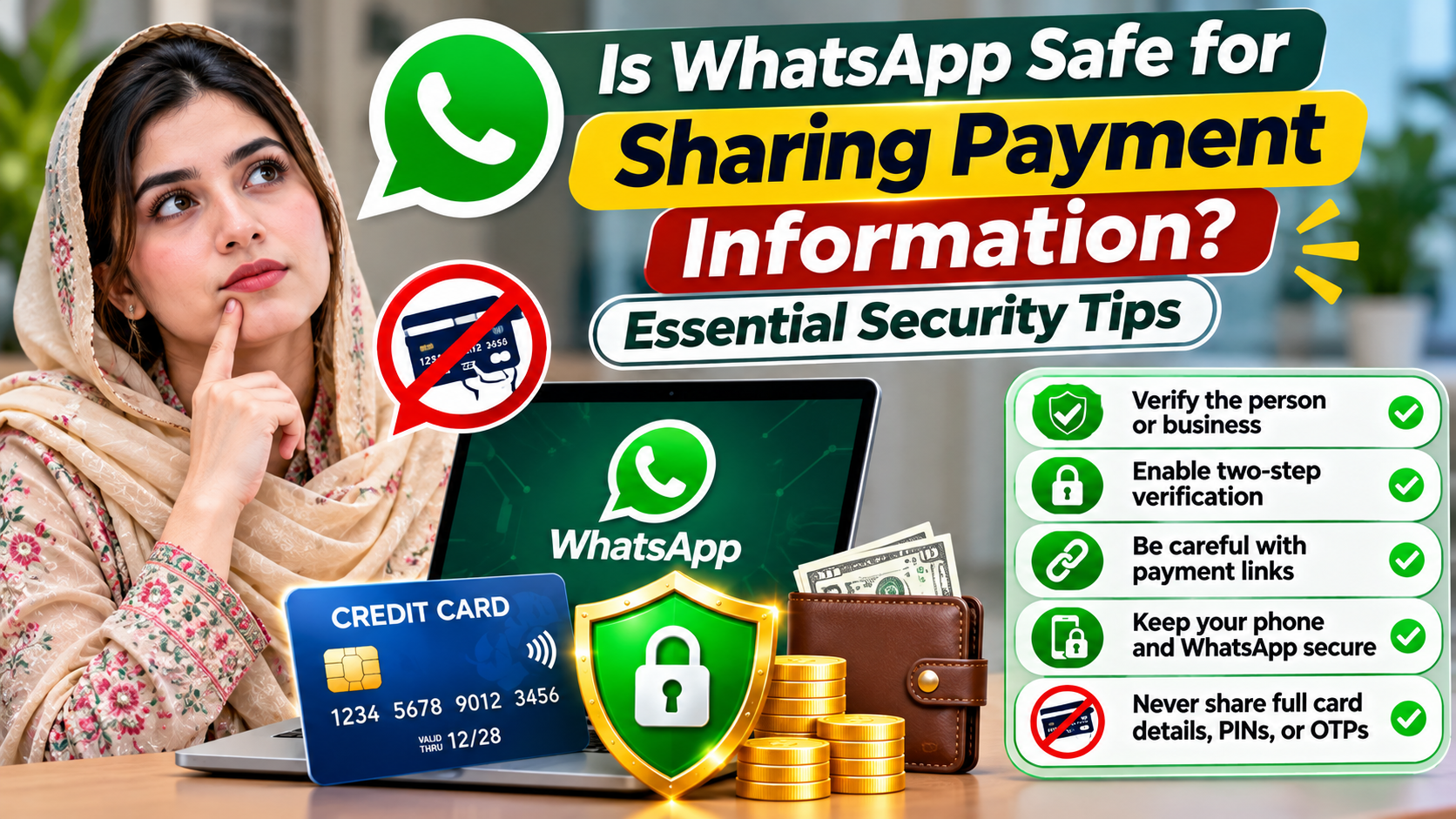
Is WhatsApp Safe for Sharing Payment Information? Essential Security Tips
WhatsApp has become one of the most popular ways to communicate with friends, family members, customers, and businesses. People use it to discuss purchases, receive invoices, confirm transactions, and even arrange payments. But when money is involved, an important question arises: Is WhatsApp safe for sharing payment information?
The answer depends on what information you share, who receives it, and how you protect your account.
WhatsApp uses end-to-end encryption for personal messages, which provides an important layer of privacy. However, encryption does not eliminate financial scams, identity theft, or the risks of sending sensitive information to the wrong person.
Sharing a payment confirmation with a trusted business is very different from sending your complete credit card details to someone you have never met.
Understanding these differences can help you protect your financial information while continuing to use WhatsApp for everyday communication.
How Secure Is WhatsApp for Financial Conversations?
WhatsApp protects personal conversations using end-to-end encryption. This security technology is designed so that messages can be read by the sender and intended recipients rather than by unauthorized intermediaries.
For example, if you send a message to a family member, WhatsApp's encryption helps protect its contents during transmission.
However, this protection has important limitations.
The recipient can still save, screenshot, copy, or forward information you share. Someone who gains access to an unlocked phone may also be able to read messages stored on that device.
Additionally, some business interactions involve third-party systems that manage customer messages. This means the privacy of business conversations can depend on how the business handles information.
The key point is that encrypted messaging does not automatically make every financial conversation safe.
Your decisions about sharing sensitive information remain just as important as the technology protecting the conversation.
What Payment Information Should You Never Share on WhatsApp?
Certain financial details are particularly sensitive because criminals may use them to access accounts, make unauthorized purchases, or impersonate you.
1. Complete Credit Card Information
Avoid sending your full credit card number, expiration date, and card verification value (CVV) in a WhatsApp conversation.
Together, these details may provide criminals with enough information to attempt fraudulent online transactions.
If a merchant requests your card details through WhatsApp, ask for a secure checkout option through its verified payment processor instead.
2. Banking Passwords and PINs
Never share your online banking password, ATM PIN, or payment application security PIN.
Legitimate financial institutions should not need you to disclose these confidential credentials in a chat.
Someone requesting this information may be attempting to gain unauthorized access to your accounts.
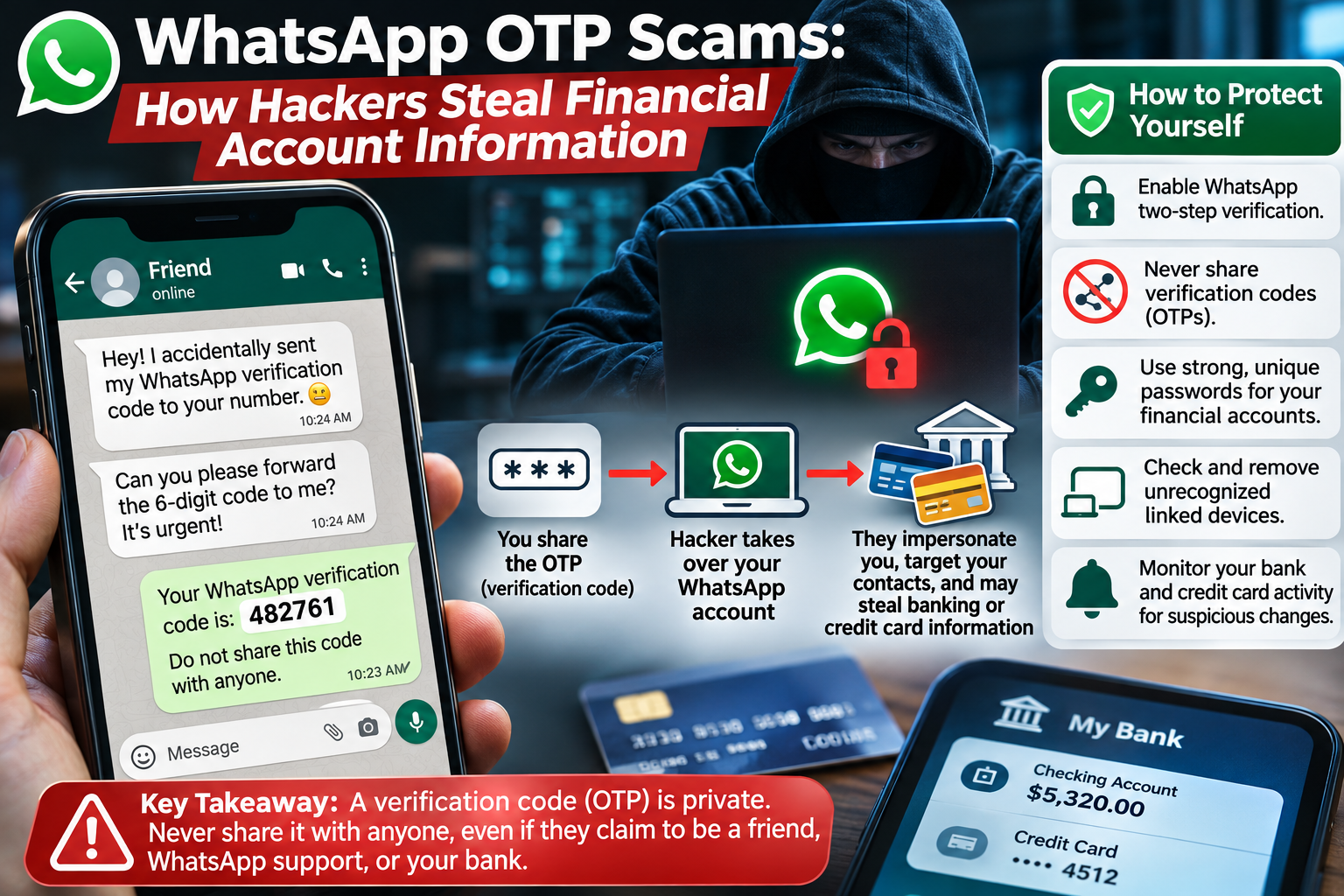
3. One-Time Verification Codes
Banks and payment platforms frequently send one-time passwords or verification codes to confirm transactions and account access.
These codes are meant for you.
A scammer may impersonate a bank employee and claim they need your verification code to cancel a suspicious transaction.
Providing the code could allow the criminal to complete an unauthorized action.
4. Social Security Numbers
Your Social Security number is sensitive personal information that can be exploited in identity theft.
Avoid sharing it through messaging applications unless there is an independently verified and compelling reason, and use an appropriate secure channel instead.
For financial applications, prefer official websites or approved application systems.
Is It Safe to Share Bank Account Details on WhatsApp?
People sometimes need to provide account information to receive payments.
For example, a freelancer may provide payment instructions to a client, or a small business may send an invoice to a customer.
Sharing limited payment information with a verified recipient can be reasonable, but it still involves risk.
A bank account number and routing number are not equivalent to a banking password, yet they should still be handled carefully.
Whenever possible, use trusted payment services, official invoicing systems, or payment identifiers that do not expose unnecessary account details.
Before sending financial instructions, verify the recipient's identity and confirm that the conversation has not been compromised.
Avoid sharing sensitive payment details in large WhatsApp groups, where multiple people can access and redistribute the information.
7 Essential Security Tips for Sharing Payment Information on WhatsApp
1. Verify the Person or Business Before Sharing Anything
Scammers often impersonate legitimate businesses, banks, and familiar contacts.
A WhatsApp profile displaying a recognizable company logo does not guarantee that the account belongs to that organization.
Before discussing a sensitive payment, confirm the recipient's identity through an independent communication channel.
For example, if someone claims to represent your bank, contact the institution using the telephone number listed on your bank card or official website.
Do not rely exclusively on contact details provided in the suspicious message.
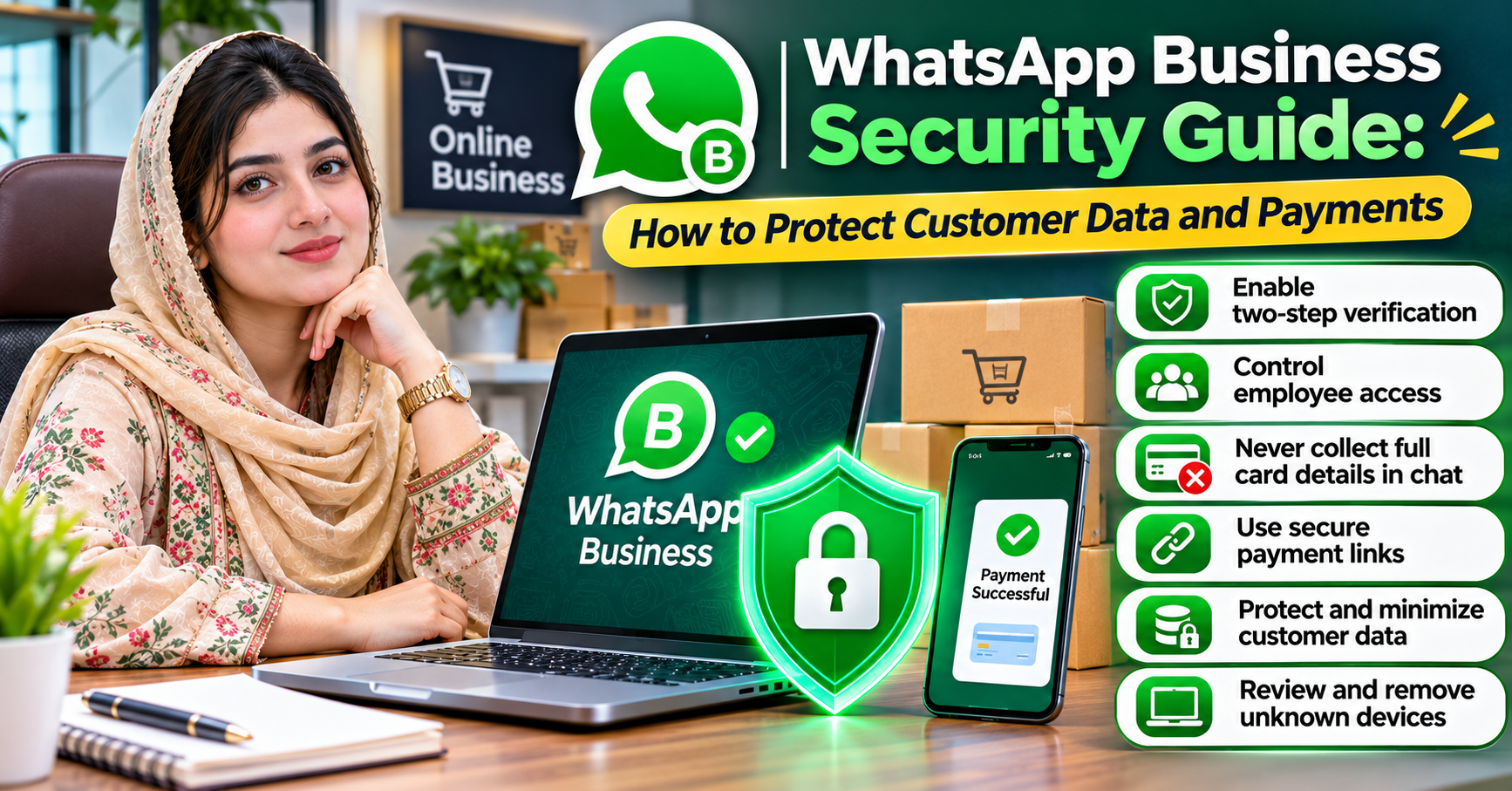
2. Enable WhatsApp Two-Step Verification
WhatsApp offers two-step verification to provide additional protection against account takeover.
This feature requires a PIN during certain account registration or verification processes.
To enable it, open WhatsApp Settings, find the Account section, and select Two-step verification.
Follow the instructions to create a PIN.
Choose a PIN that is difficult to guess and never disclose it to anyone.
Two-step verification cannot prevent every type of scam, but it adds an important security barrier.
3. Use a Strong Phone Lock
Your WhatsApp account may contain financial conversations, invoices, contact details, and sensitive attachments.
If someone gains access to your unlocked device, they could potentially read this information.
Protect your smartphone using a strong passcode, fingerprint recognition, or facial authentication.
Where available, enable WhatsApp's app lock or chat lock features for additional privacy.
Avoid leaving your device unattended while unlocked, particularly in public locations.
4. Be Careful With Payment Links
A common scam involves sending a payment link that appears to belong to a trusted merchant.
The link may lead to a fraudulent website designed to collect credit card details or login credentials.
Before opening a payment page, inspect the domain carefully.
Be suspicious of unfamiliar website addresses, misspelled business names, and unexpected redirects.
Remember that an HTTPS connection does not automatically prove a website is legitimate.
For important transactions, navigate directly to the merchant's official website rather than trusting an unsolicited link.
5. Protect Your Chat Backups
WhatsApp allows users to back up conversation history to supported cloud services.
However, backup security deserves attention.
Check whether end-to-end encrypted backups are enabled under your WhatsApp backup settings.
This feature provides additional protection for backed-up chats.
Secure your associated Google or Apple account with a strong, unique password and multifactor authentication.
Remember that even protected backups cannot prevent a recipient from copying information you voluntarily send.
6. Review Connected Devices
WhatsApp allows users to access their accounts from linked computers and other supported devices.
This is convenient, but an unfamiliar linked device could create a security risk.
Periodically open the Linked Devices section in WhatsApp and review active sessions.
Log out of devices you no longer use or recognize.
Be particularly cautious when using shared computers.
7. Never Rush Into a Payment
Scammers frequently use urgent messages to pressure people into transferring money.
Someone may claim that an account will be frozen, an order will be canceled, or a payment will fail unless you respond immediately.
Urgency can make people overlook obvious warning signs.
Before transferring money, independently confirm the recipient and payment purpose.
A legitimate business should allow you to verify financial instructions through appropriate channels.
Common WhatsApp Payment Scams to Watch Out For
Understanding common fraud techniques can help you identify suspicious financial conversations.
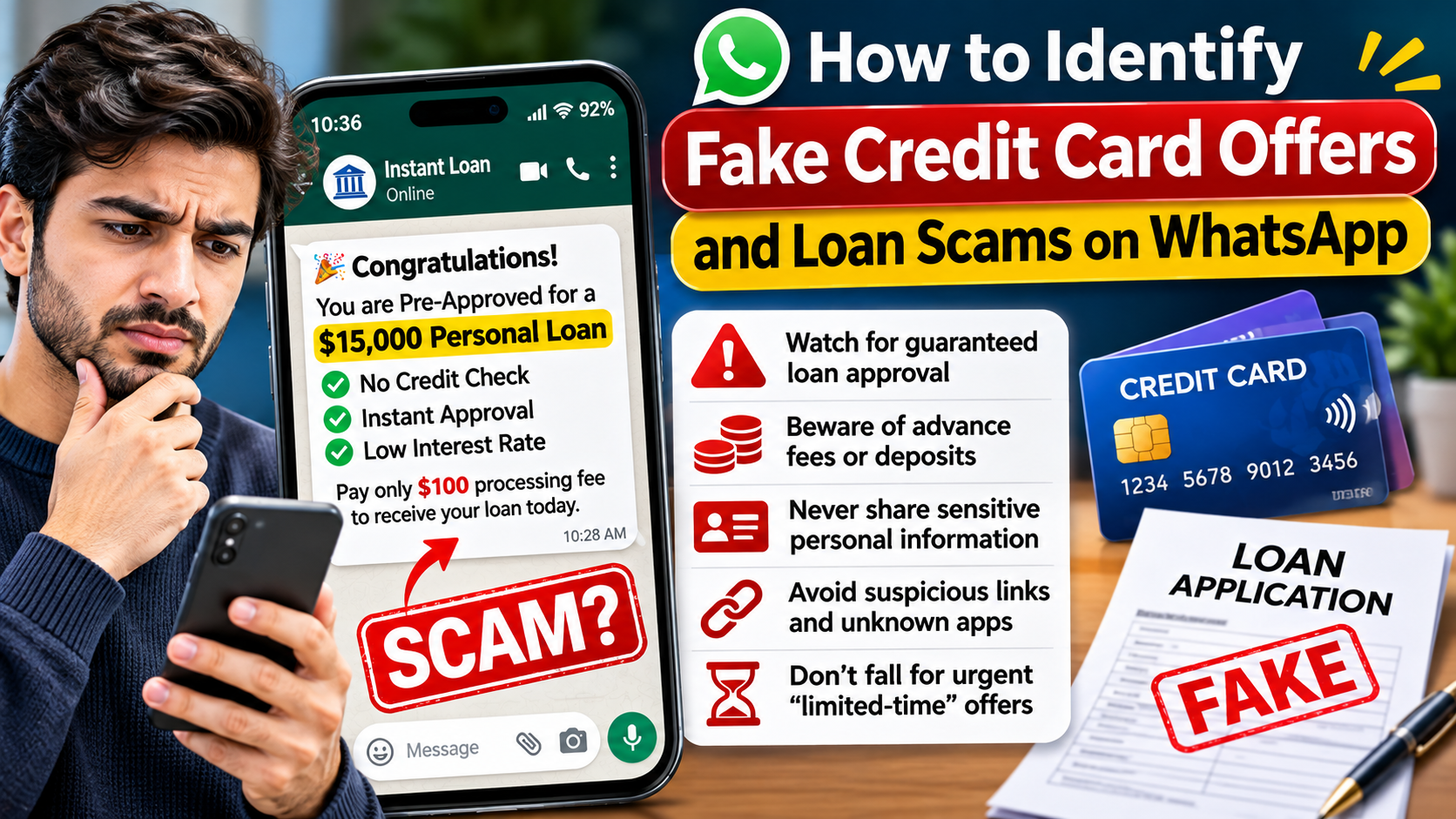
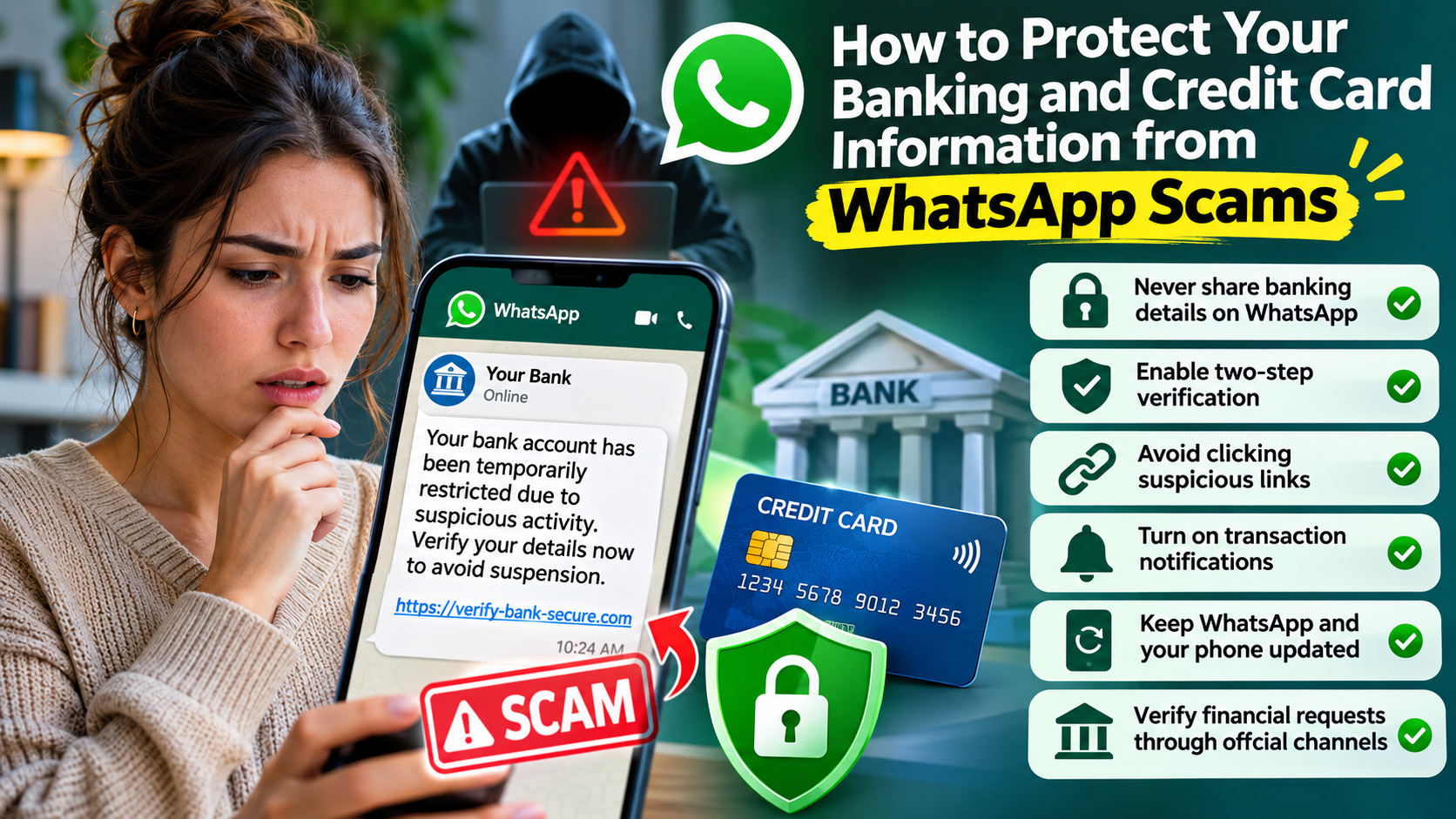
Fake Bank Verification Messages
A scammer pretends to represent a financial institution and claims that unusual activity has been detected.
The message instructs you to provide your banking details or a verification code.
The objective may be to gain access to your financial account.
Fake Online Shopping Payments
A fraudulent seller advertises a product at an unusually attractive price.
After communicating through WhatsApp, the seller requests an advance payment.
Once the money arrives, the seller stops responding or never delivers the item.
Impersonation of Friends or Family
Criminals may gain control of someone's messaging account or impersonate a familiar contact.
They then request urgent financial assistance.
Because the message appears to come from someone you know, the request may seem believable.
Always confirm unexpected money requests through a phone call or another trusted method.
Fake Payment Confirmation Screenshots
A buyer sends a screenshot showing that payment has supposedly been completed.
However, screenshots can be edited or fabricated.
If you are selling a product or providing a service, confirm the payment directly in your bank or payment account before treating the transaction as complete.
Never rely solely on a screenshot.
Is WhatsApp Pay Safer Than Sending Card Details in a Chat?
In supported countries, WhatsApp may offer payment functionality through integrated financial services.
Using an official payment feature is different from typing sensitive card information into an ordinary conversation.
Integrated payment services generally rely on financial infrastructure and security processes designed for handling transactions.
However, the specific protections, eligibility requirements, transaction limits, and dispute procedures vary by country and payment provider.
An authorized payment sent to a scammer may still be difficult to recover.
Even when using an official payment feature, verify the recipient before confirming the transaction.
For credit card purchases, a reputable merchant's secure checkout system may provide clearer billing and dispute procedures than an informal payment arrangement.
What Should You Do If You Accidentally Share Payment Information?
Mistakes happen. If you accidentally send sensitive financial details, acting quickly may reduce potential damage.
Contact your bank or credit card issuer. Explain what information was exposed and ask whether your card or account should be secured, monitored, or replaced.
Change affected passwords. If you disclosed login credentials, update them immediately through the official financial service.
Check your transactions. Review recent activity for charges, withdrawals, or transfers you do not recognize.
Report suspicious activity. Contact the relevant payment provider and report the account through WhatsApp's reporting tools.
Protect your identity. If sensitive identifying information was exposed, consider fraud alerts or credit freezes with the major U.S. credit bureaus.
If you believe identity theft has occurred, the Federal Trade Commission provides resources to help consumers document the incident and create a recovery plan.
Deleting a message from a conversation is not a guarantee that the recipient has not already saved or copied its contents.
Frequently Asked Questions
Can WhatsApp read my credit card details if I send them in a personal chat?
WhatsApp personal messages are protected by end-to-end encryption, meaning WhatsApp is not supposed to be able to read the message contents in transit. However, this does not protect the information from the intended recipient or someone who gains access to a participant's device.
Is sending a payment screenshot on WhatsApp safe?
A screenshot showing a limited transaction confirmation may be relatively low risk when shared with a verified recipient. However, screenshots can reveal account numbers, balances, transaction identifiers, or other personal information. Hide unnecessary sensitive details before sharing.
Can someone hack my bank account using my WhatsApp number?
Knowing your WhatsApp phone number alone is generally not enough to access your bank account. However, criminals may use it for impersonation, phishing, or attempts to obtain verification codes and other credentials.
Is it safe to receive money through WhatsApp?
Receiving payment through a legitimate, supported payment service can be convenient. The important precautions are verifying the payer, confirming that the funds actually arrived, and avoiding unexpected requests to return money or disclose security codes.
Should I use WhatsApp for business payment discussions?
WhatsApp can be useful for invoices, order updates, and general payment coordination. However, businesses should use trusted payment processors or secure billing systems to collect sensitive card information rather than asking customers to send it through ordinary chat messages.
Final Thoughts
WhatsApp provides valuable privacy protections, including end-to-end encryption for personal conversations. Nevertheless, no messaging application can eliminate the risks created by fraudulent contacts, compromised devices, or careless sharing of financial information.
The safest approach is to use WhatsApp for general payment communication while keeping confidential banking details inside verified financial platforms.
Never send complete credit card details, banking passwords, PINs, or one-time verification codes through chats.
Verify unfamiliar contacts, enable account security features, and independently confirm payments before delivering goods or transferring additional money.
Remember: Secure technology helps protect your conversations, but careful financial habits are essential for protecting your money.