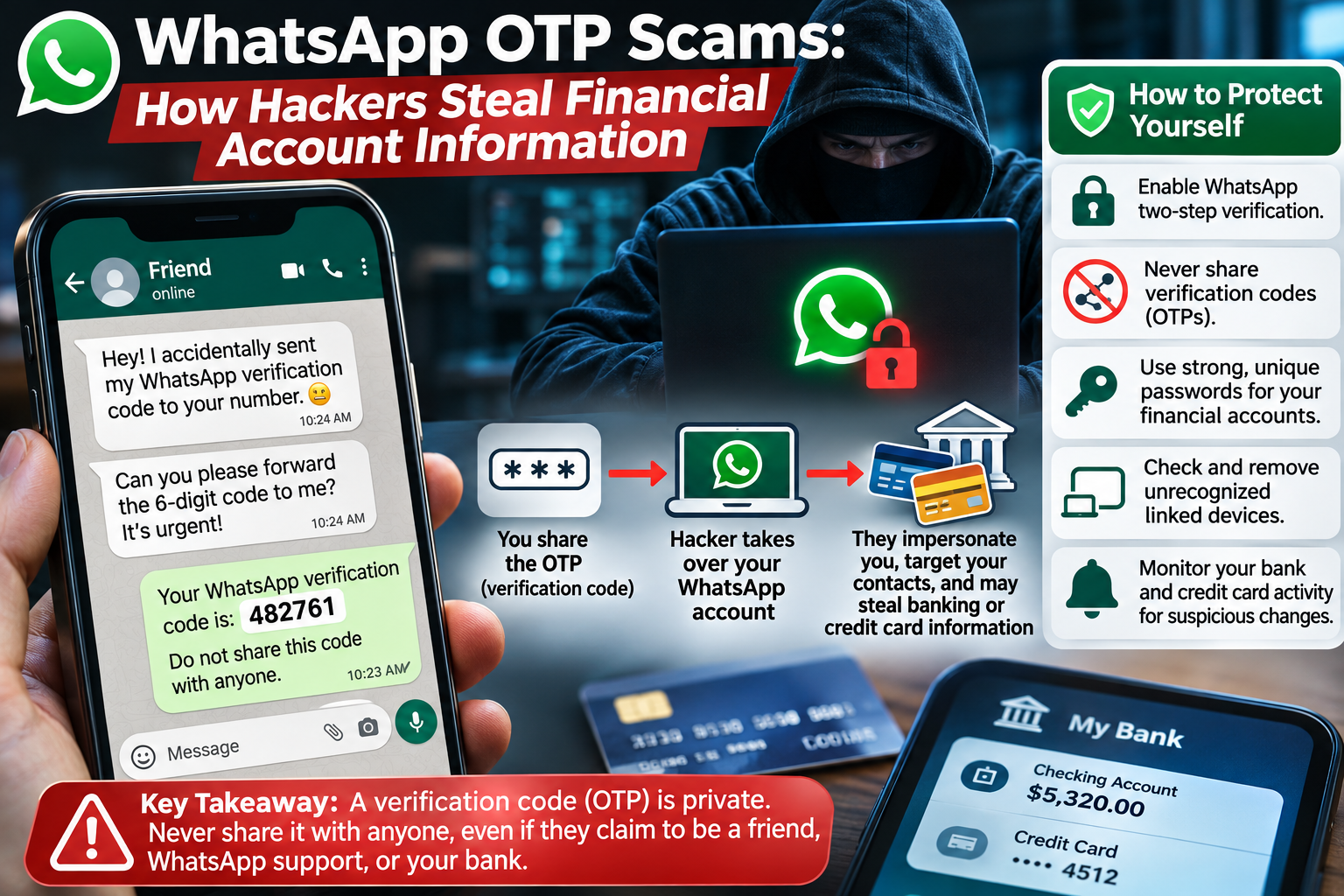
WhatsApp OTP Scams: How Hackers Steal Financial Account Information
WhatsApp has become an important part of everyday communication. Millions of people use it to stay connected with family, communicate with businesses, receive updates, and discuss financial matters. Unfortunately, scammers also use the platform to target people who may not recognize the warning signs of online fraud.
One increasingly concerning threat is the WhatsApp OTP scam. In this type of fraud, criminals attempt to trick users into sharing a one-time password (OTP) or verification code. Depending on which account the code belongs to, sharing it could allow someone to take over a WhatsApp account or gain unauthorized access to banking and other financial services.
The surprising part is that scammers do not always need advanced hacking software. Many attacks succeed because someone is persuaded to share a code they were supposed to keep private.
Understanding how these scams work can help you protect your personal information, credit cards, bank accounts, and online identity.
What Is a WhatsApp OTP Scam?
A WhatsApp OTP scam is a form of social engineering in which a criminal tries to obtain a verification code from another person.
An OTP is a temporary security code generated to confirm a login attempt, account registration, password reset, or financial transaction. It is usually delivered through a text message, email, or authentication system.
For example, when someone attempts to register a WhatsApp account using your phone number, WhatsApp may send a six-digit verification code to your device.
That code is intended only for you.
If a scammer convinces you to share it, they may be able to register your WhatsApp account on another device.
Financial account scams work similarly. A criminal who already knows or has stolen your banking login information may attempt to sign in and ask you to disclose the bank's verification code.
Important: A stolen WhatsApp verification code does not automatically provide access to your bank account. However, a compromised WhatsApp account can be used to impersonate you, approach your contacts, and potentially obtain additional sensitive information.
How WhatsApp OTP Scams Work
Most OTP scams follow a recognizable pattern. Although the story may change, the attacker's goal is usually the same: make you reveal a security code.
1. The Scammer Obtains Your Phone Number
The process often begins with a phone number.
Criminals may obtain numbers from publicly available social media profiles, business listings, online advertisements, exposed contact information, or previous data breaches.
Having your phone number does not mean someone can automatically access your WhatsApp account. However, it provides an opportunity to initiate a fraudulent registration attempt or contact you directly.
2. A Verification Code Is Triggered
A scammer may attempt to register WhatsApp using your phone number.
WhatsApp then sends a legitimate verification code to your phone.
You might receive a message containing a six-digit number even though you never requested it.
This is an important warning sign.
The unexpected code could result from someone entering the wrong phone number, but it may also indicate an attempted account takeover.
3. The Scammer Creates a Convincing Story
After triggering the code, the attacker may contact you with a misleading explanation.
For example, someone pretending to be a friend might say:
"I accidentally sent my verification code to your number. Could you forward it to me?"
Another scammer might claim to represent WhatsApp support, a financial institution, or a security department.
Some attackers use urgency, telling you that your account will be suspended unless you verify your identity immediately.
The purpose is to make the request appear reasonable before you have time to question it.
4. The Victim Shares the OTP
If the victim provides the code, the attacker may use it to complete the attempted login or registration.
With WhatsApp account takeover scams, this can result in the victim being logged out while the attacker gains access to the account.
The attacker may then impersonate the account owner and send messages to their contacts.
Depending on the circumstances, additional account protections may prevent or delay unauthorized access.
5. Financial Fraud May Follow
After gaining control of a messaging account, a scammer may attempt further fraud.
They might contact friends and relatives requesting emergency payments, impersonate the victim in business conversations, or send fraudulent payment instructions.
Alternatively, if the stolen OTP belongs directly to a banking or credit card account, the criminal may use it alongside other stolen login information to access financial services.
The financial consequences depend on the accounts involved and the security measures protecting them.
Common WhatsApp OTP Scams That Target Financial Information
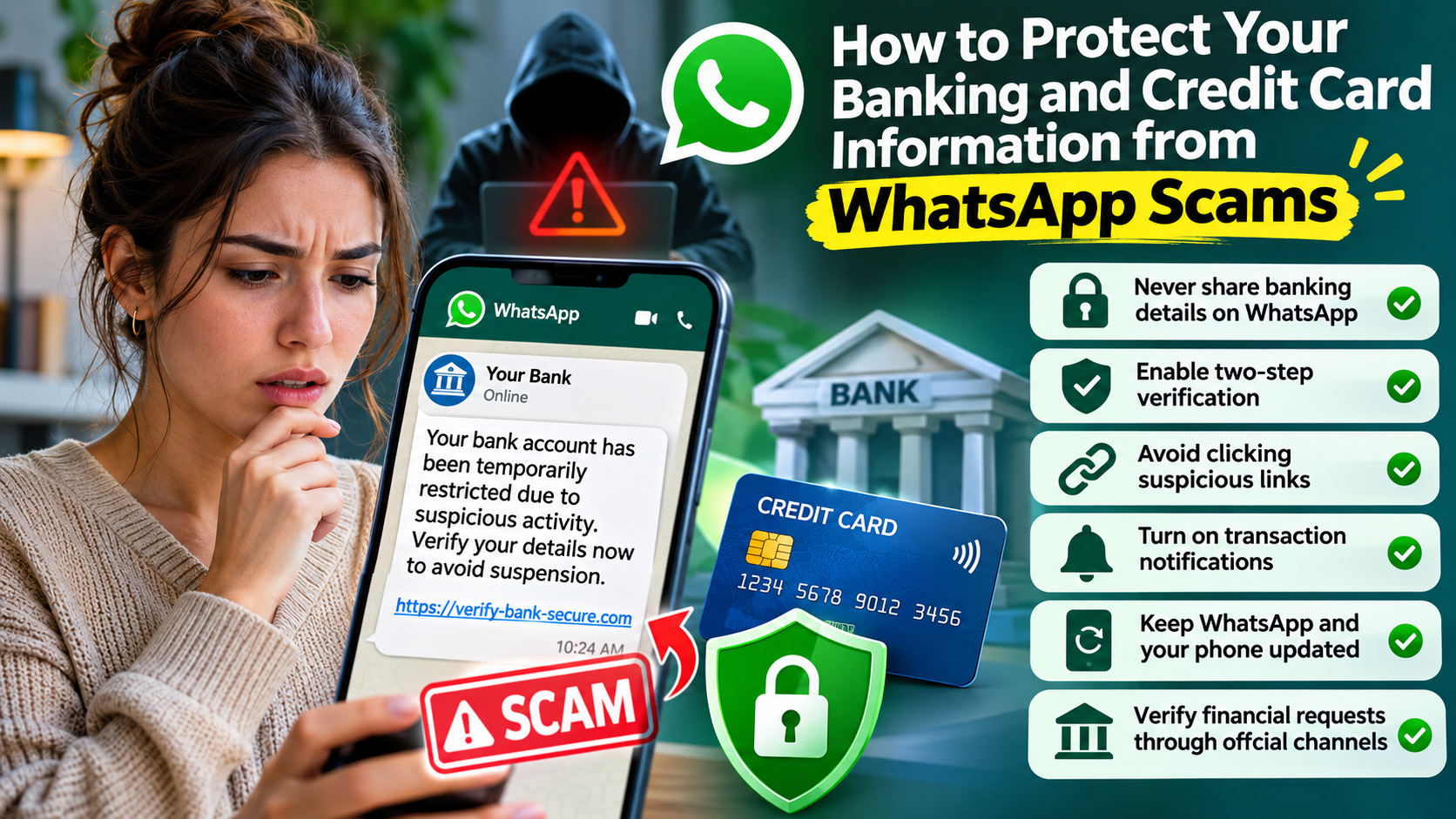
Fake Bank Security Alerts
A scammer claims to work for your bank's fraud prevention department.
They may tell you that someone attempted an unauthorized transaction or that your bank account has been temporarily restricted.
The scammer then requests a verification code, claiming it is necessary to reverse a transaction or protect your money.
In reality, the attacker may be attempting to sign in to your account.
Legitimate financial institutions do not need you to disclose a private login verification code to an unsolicited caller or message sender.
Fake WhatsApp Support Messages
Some criminals impersonate WhatsApp representatives.
Their messages may claim that suspicious activity has been detected or that your account requires immediate verification.
They may ask for your registration code or direct you to an unfamiliar website.
A genuine-looking profile picture or official-sounding message does not establish that the sender is trustworthy.
Friends Asking for Verification Codes
This technique can be especially convincing because the message appears to come from someone you know.
The friend's account may already have been compromised.
The scammer then uses that account to request a verification code from additional contacts.
Before responding to an unusual request, contact your friend through a separate trusted method.
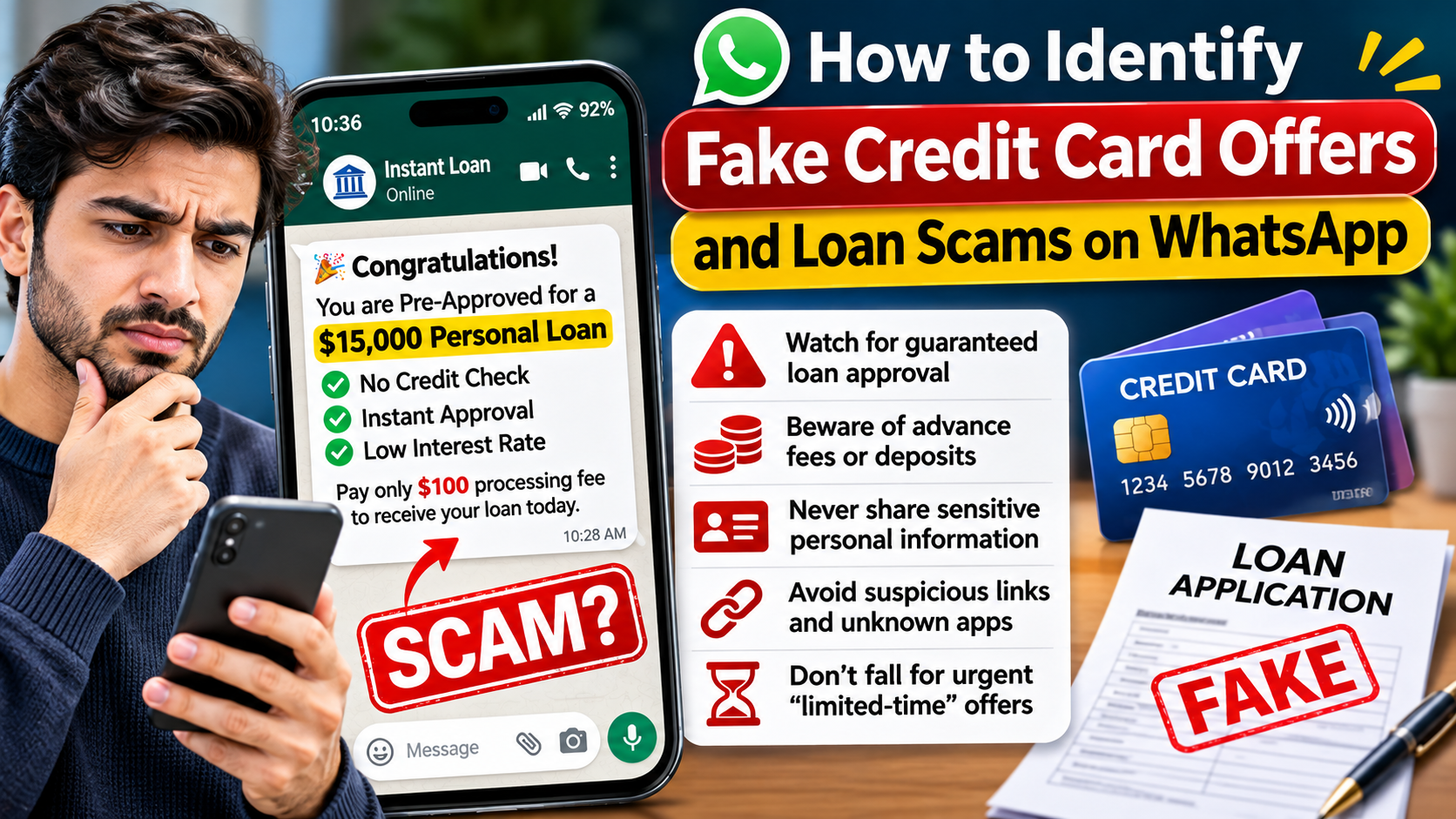
Fake Credit Card Reward Offers
Some WhatsApp messages advertise exclusive credit card benefits, cash-back bonuses, or reward points that supposedly expire soon.
A fraudulent link may lead to a website designed to resemble a legitimate financial institution.
The page may request credit card information, login details, and verification codes.
Once this information is entered, attackers may attempt unauthorized account access or transactions.
Never assume that an attractive financial promotion is genuine simply because it arrives through a familiar messaging platform.
Warning Signs of a WhatsApp OTP Scam
Recognizing suspicious behavior early can prevent a much larger problem.
Common warning signs include:
Receiving an OTP that you did not request.
Someone asking you to forward or screenshot a verification code.
Messages claiming your bank account will be frozen immediately.
A supposed support agent requesting your password or PIN.
Unexpected links asking for banking or credit card information.
Someone pressuring you to act without contacting your bank.
A friend unexpectedly asking for money or account verification details.
One particularly important warning sign is artificial urgency.
Scammers frequently try to create panic because frightened people may respond before checking whether a request is legitimate.
How to Protect Your WhatsApp and Financial Accounts
Protecting yourself does not require advanced technical knowledge. A few consistent security habits can significantly reduce your exposure.
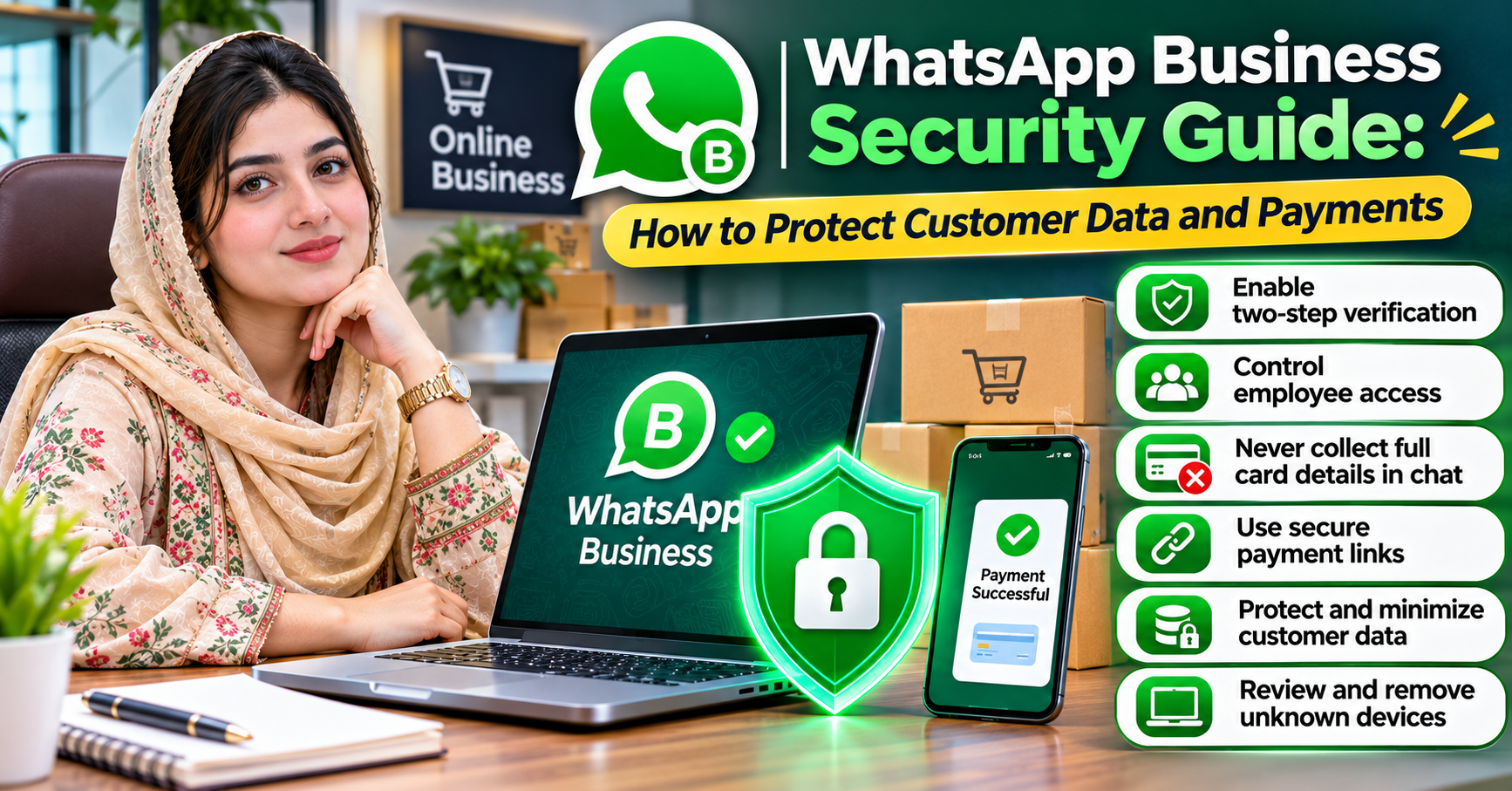
Enable WhatsApp Two-Step Verification
WhatsApp offers an additional security feature called two-step verification.
To enable it, open WhatsApp and navigate to Settings, Account, and Two-step verification.
Follow the instructions to create a secure PIN.
This adds another layer of protection against unauthorized account registration.
Choose a PIN that is difficult to guess, and use an email address you control for recovery if that option is available.
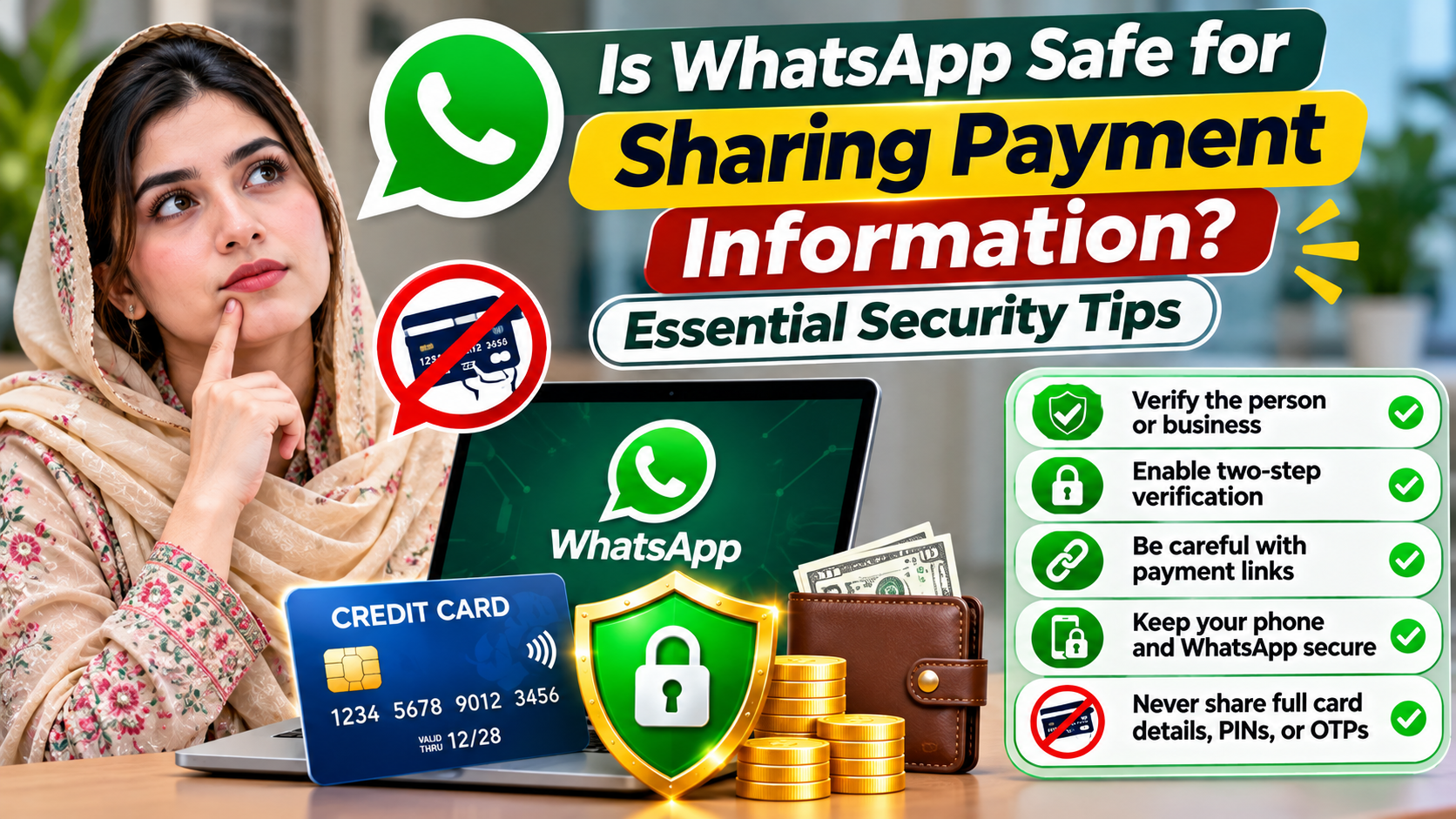
Never Share Verification Codes
Treat every OTP as confidential.
Do not share verification codes with friends, relatives, support representatives, or unfamiliar callers.
Even if the person contacting you appears trustworthy, remember that accounts and caller identities can be impersonated.
If someone genuinely needs to access their own account, they should complete the verification process using their own registered information.
Use Strong, Unique Passwords
Every important financial account should have a strong, unique password.
Avoid using the same password for your bank, email account, shopping websites, and social media profiles.
A password manager can help generate and store complex passwords without requiring you to memorize every one.
Using different passwords also reduces the potential damage if one website experiences a security breach.
Strengthen Your Banking Authentication
Whenever your financial institution supports it, consider using passkeys or other phishing-resistant authentication methods.
Authenticator apps can also provide an additional layer of protection, although their codes can still be stolen through phishing.
Avoid relying on SMS verification alone when stronger options are available.
Review Linked WhatsApp Devices
WhatsApp allows users to connect additional devices to their accounts.
Periodically check Settings and Linked Devices.
If you notice a device or session you do not recognize, log it out and review your account security.
Be cautious about QR codes that unexpectedly ask you to connect your WhatsApp account to another device.
Monitor Financial Account Activity
Review your bank accounts and credit card transactions regularly.
Enable alerts for purchases, transfers, unusual login attempts, and significant account changes wherever your institution offers them.
Transaction notifications can help you recognize suspicious activity quickly.
Even a small unfamiliar charge deserves attention because it may indicate that financial information has been compromised.
What Should You Do If You Share an OTP by Mistake?
Accidentally sharing a verification code does not necessarily mean your money has been stolen. However, you should respond promptly.
First, identify which account the code belonged to. A WhatsApp registration code requires a different response from a banking login code.
If your WhatsApp account has been taken over, attempt to sign in again using your registered phone number and the legitimate verification process. Review linked devices and restore your security settings.
If the code belonged to a bank, credit card company, or other financial institution, contact that institution immediately using its official app, website, or the phone number printed on your card.
Explain what happened and ask whether your account needs to be secured, transactions reviewed, or payment cards restricted.
Change any passwords that may have been exposed. Also check the security of your email account, particularly if it is used for financial password resets.
If your WhatsApp account was compromised, notify your contacts through another communication channel so they know not to trust unusual requests appearing to come from you.
In the United States, suspected fraud can also be reported to appropriate authorities, including the Federal Trade Commission.
Can Scammers Steal Money With Only a WhatsApp OTP?
This is an important distinction.
A WhatsApp registration code is designed to verify access to a WhatsApp account, not directly authorize withdrawals from a bank.
Therefore, obtaining that code alone does not normally give a scammer direct control of your checking account, savings account, or credit card.
However, a compromised WhatsApp account may become a tool for additional deception.
Attackers can impersonate the victim, approach their contacts, send fraudulent payment requests, or attempt to obtain other credentials.
A banking OTP presents a more immediate financial concern because it may help an attacker complete a login, password reset, or transaction if other required information has already been compromised.
The safest approach is to protect verification codes for every account, not just WhatsApp.
Frequently Asked Questions
Can someone hack my WhatsApp using my phone number?
Knowing your phone number alone is generally not enough to register your WhatsApp account on another device. An attacker typically needs to complete the verification process or exploit another account access method.
What happens if I receive an OTP without requesting one?
It may mean someone entered your number accidentally or attempted to access an account associated with it. Do not share the code. Check the account for suspicious activity.
Can a bank employee ask for my OTP?
You should never provide a banking login or transaction verification code to someone who unexpectedly calls or messages you claiming to be a bank employee. Contact your bank directly through a trusted channel.
Does two-step verification guarantee complete security?
No. Additional authentication makes unauthorized access more difficult, but it cannot eliminate every risk. Strong passwords, careful verification, and protection against phishing remain essential.
How can I tell whether a banking message is genuine?
Open your bank's official application or contact customer service using a verified number. Avoid relying on phone numbers or links supplied within suspicious messages.
Final Thoughts
WhatsApp OTP scams demonstrate how criminals can exploit trust rather than sophisticated technology.
A convincing message, an unexpected verification code, and a moment of panic may be enough to compromise an account.
Fortunately, many of these attacks can be prevented through simple security habits.
Never disclose private verification codes, enable available account protections, review suspicious activity, and verify financial requests directly with the relevant institution.
Remember that protecting your WhatsApp account also helps protect the people who trust messages coming from you.
The most important rule is simple: a verification code belongs to the person who requested it for their own account. Never share it with someone else.
Disclaimer: This article provides general educational information about cybersecurity and financial fraud prevention. It is not individualized financial, legal, or technical advice.